

How US, Indonesia build strategic defense partnership anew
Publikasi Terbaru

Senin, 20 April 2026
Sabtu, 18 April 2026

Jum'at, 17 April 2026
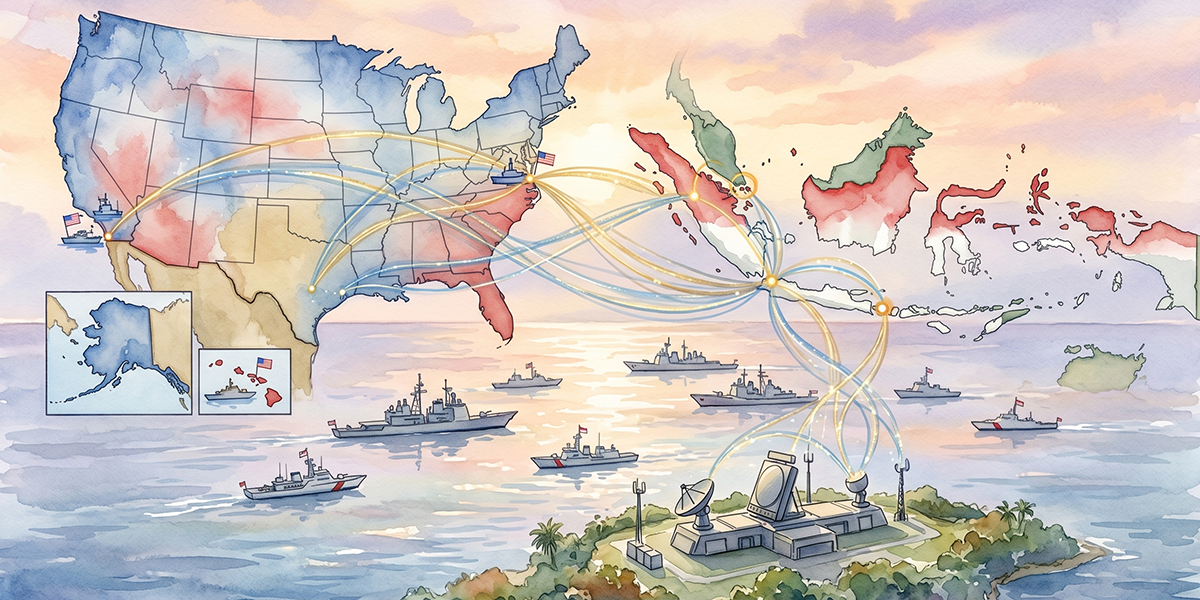
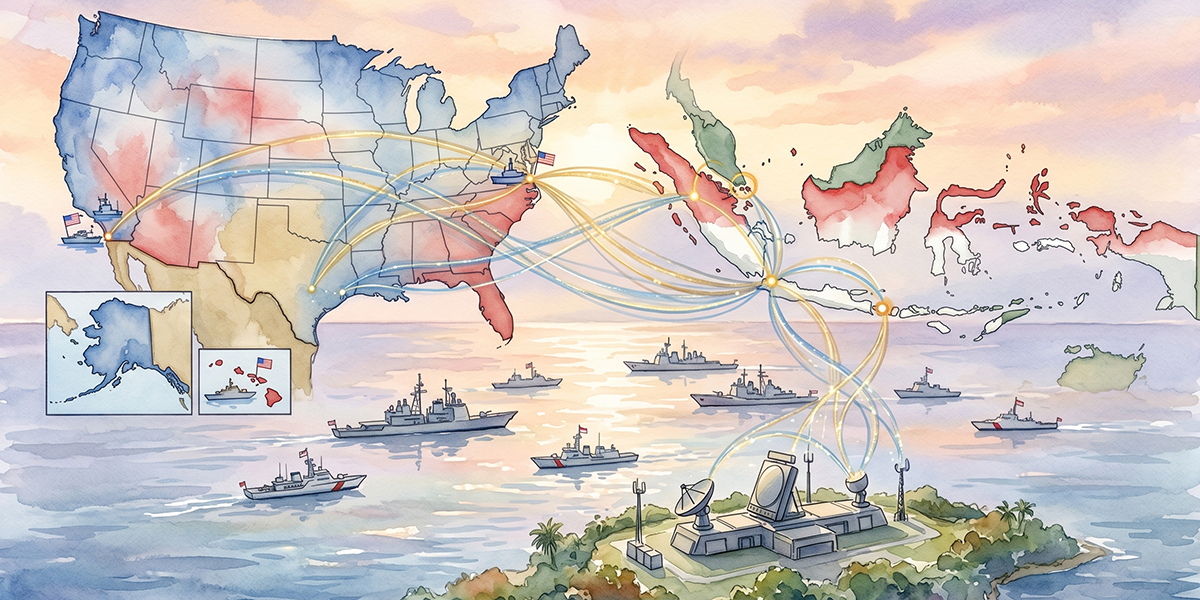
The United States builds order through architecture. Since the founding of the North Atlantic Treaty Organization (NATO) in 1949, Washington has constructed the most elaborate defense cooperation system in the history of international relations, a tiered, legally differentiated structure binding dozens of nations to US strategic purposes through instruments calibrated to what each partner can politically absorb.
At its apex sit 32 NATO allies carrying Article 5 mutual defense obligations. Below them, bilateral treaty allies in the Indo-Pacific, Japan, South Korea, Australia and the Philippines, carry defense commitments forged in the Cold War's opening decades. Further still, 19 nations hold Major Non-NATO Ally (MNNA) status, a statutory designation created by Congress in 1987, granting preferential arms access and joint research eligibility without formal alliance obligations.
When India, too large and too genuinely nonaligned to accept a congressional designation, demanded a different instrument, Washington created the Major Defense Partner framework in 2016: an executive-level arrangement outside statutory law, delivering near-equivalent technology transfer without requiring New Delhi to publicly declare alignment.