 Generated by AI

Penulis

Raya, a little girl from Sukabumi, died from intestinal worms—an entirely preventable disease.
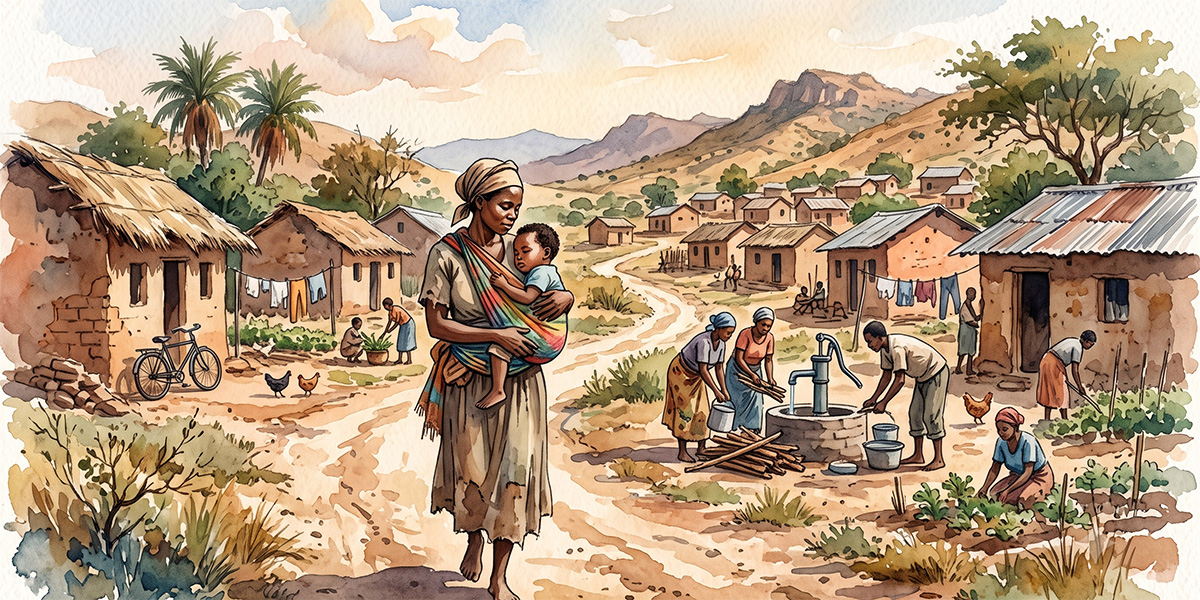
Her death is more than a personal misfortune. It is an indictment of systemic neglect. It represents the cruel intersection of poverty, malnutrition, lack of access to clean water, and weak public health services. Yet beyond these structural issues, Raya’s story also reveals another dimension too often overlooked: the gendered imbalance in childcare, where mothers are disproportionately burdened, while fathers are insufficiently recognized as co-responsible actors in ensuring child survival.
The global numbers underline the tragedy. According to the United Nation Inter-agency Group for Child Mortality Estimation (UN IGME) 2023, 4.9 million children under the age of five died in 2022. Most of these deaths were caused not by rare or incurable diseases, but by diarrhea, pneumonia, malnutrition, and intestinal parasites—all preventable with affordable interventions. More than half of these deaths occurred in sub-Saharan Africa and South Asia, yet Southeast Asia is not immune: over 230.000 under-five deaths were recorded in this region in 2022.