 Beyond the code: The geopolitical triad of AI

Penulis

On Dec. 4–5, I attended the Sydney Dialogue organized by the Australian Strategic Policy Institute to share Indonesia’s view on the risks of artificial intelligence. As leaders and experts gather for this meeting, the atmosphere feels very different from previous years because the time when we viewed AI simply as a tool for making work faster is over.
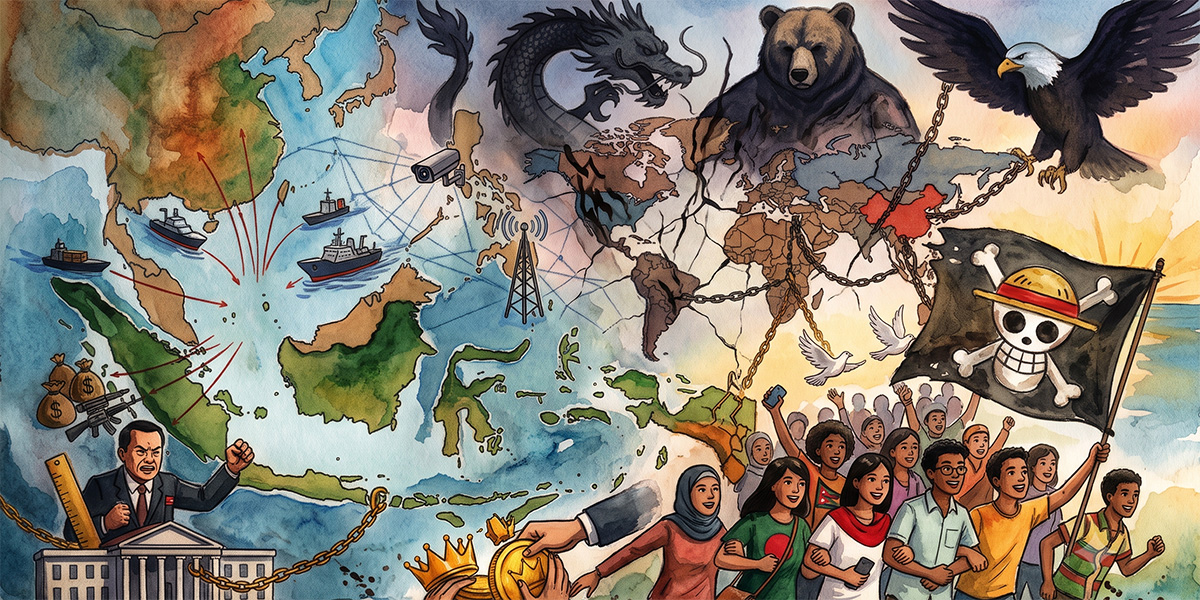
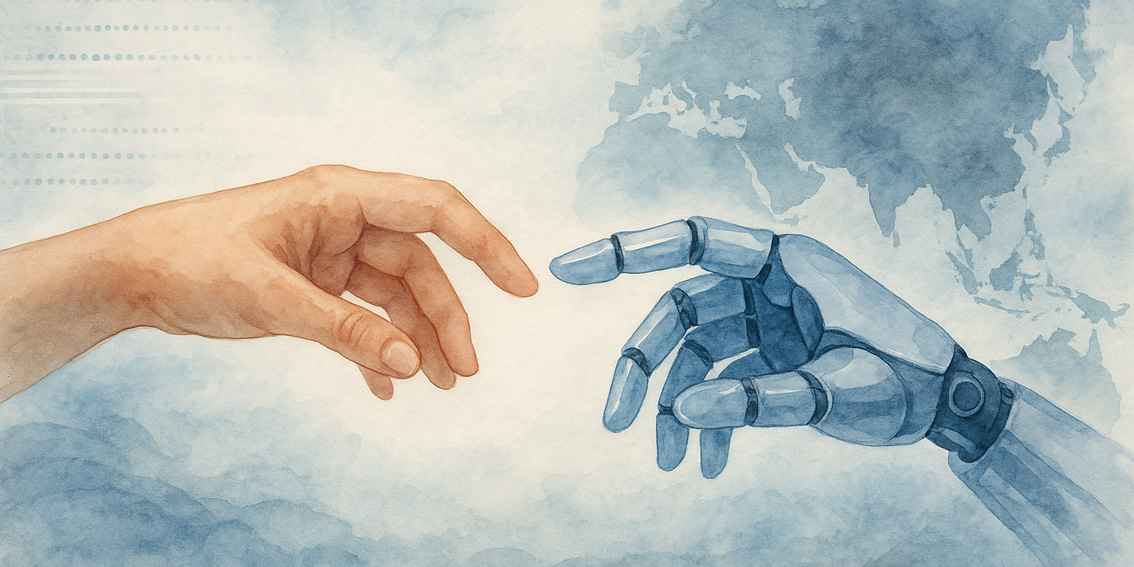
AI has become the center of a new world order, and we have entered what I call the AI Triad, which consists of the politicization, securitization and weaponization of technology.
These three concepts are driving a new cold war in the Indo-Pacific region. Politicization means AI is no longer just for efficiency, but is now a symbol of national pride, where a country’s AI program shows its power just like a flag does. This leads to securitization, where scientific research is seen as a national security issue, resulting in strict bans on sharing technology that look like the oil embargoes of the past. Finally, weaponization has moved from theory to reality, with autonomous drones and deepfake lies now being used to disrupt elections and destabilize countries.
However, this situation is made even more dangerous by three technical problems. The first is the attribution crisis, which means that in the digital world, we often cannot prove who attacked us, and without knowing who did it, we cannot stop them. The second is the alignment problem, which shows that AI systems built in Silicon Valley act differently from those built in Beijing because they have different values. The third problem is the quantum threat, where hackers steal encrypted data today hoping that powerful future computers will be able to unlock it (“Harvest Now, Decrypt Later”) making it impossible to keep secrets safe.